
Best Things to Do in Mongolia

Get inspired by these great tips on what to do and see when in Mongolia. These unusual suggestions help you to make the most out of your stay and to get away from the typical tourist bubble.
Ulaanbaatar and the majestic Genghis Khan statue
Whether you arrive by plane or train, you’re most likely to start you’re Mongolian adventure in Ulaanbaatar. With a great selection of accommodation and restaurant options, UB is an easy place to spend a couple of days to get over any jetlag.
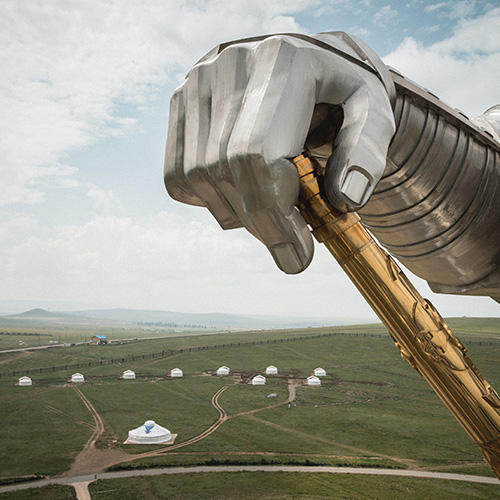
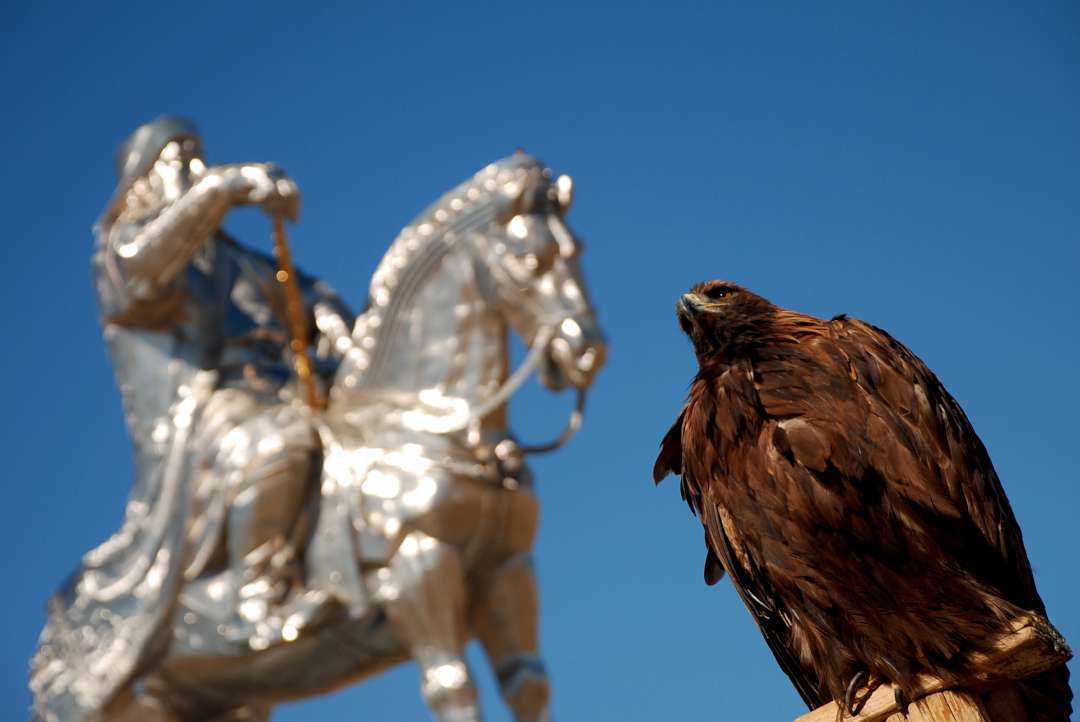
While in Ulaanbaatar, you shouldn’t miss the National Museum of Mongolia and Genghis Khan Statue. This majestic statue is 40 m tall and legend states it was in Ulaanbaatar, where he found his famous golden whip. The statue is symbolically pointed East towards his birthplace and visitors are able to walk up to the top for a fantastic panoramic view of the area. It is a day trip from the city and private transport should be arranged.

Asral NGO
One of a few incredible organizations in Mongolia that work with vulnerable families. Since its foundation, Asral has helped with unprecedented levels of poverty and social problems in Mongolia.
Their work extends to supporting medical treatment of people in need, supporting employment of women through training programs. Asral also offer moral and practical support to women in prisons in order to reduce rates of reoffending through empowerment and vocational training programs.
Asral are far from a tourist attraction, however, with Social Cycles, you will have an exclusive insight into their inspiring work that develops self-sustaining livelihood options, access to education, skills training, medical care and family support.


Khogno Khan Natural Reserve
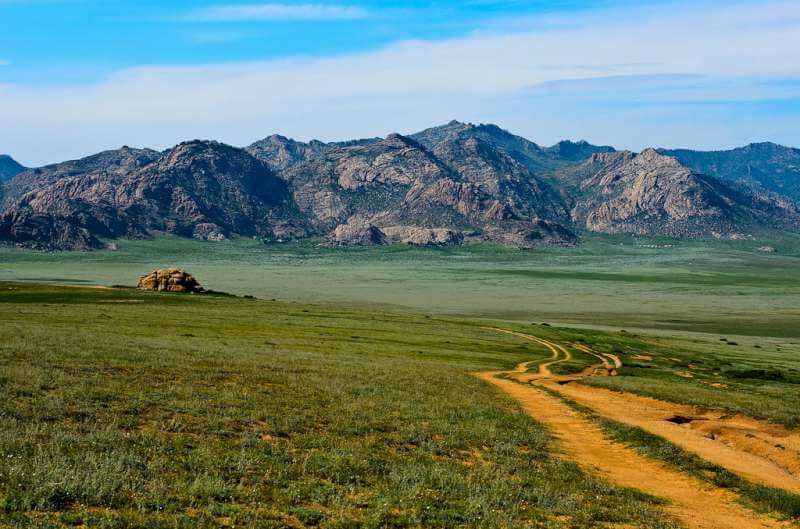
The area of Khogno Khan which was taken under state protection in 1997 covers almost 47 thousand hectares and is home to a vast amount of animal and plant species. A part of this huge land is covered by the great Mongolian Sand dunes Elsen Tasarhai and extends to about 80 km.
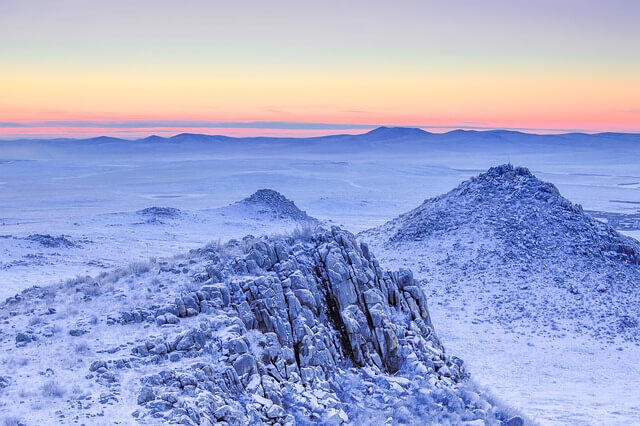
You’ll get to experience a variety of different landscapes depending on the time of year you visit. We think that May or September are perfect as they are in the shoulder of seasons. With a bit of luck, there might be some snow on the mountain tops when you go for a walk. It’s also a great area to ride a camel through the sand dunes or just hang out with some of the local families in the ger and learn more about life as a nomadic herder!
Find Khogno Khan Nature Reserve on Google Maps

Mongolian BBQ, make your dumplings and drink Airag
Mongolia is full of real authentic experiences and having a Mongolian barbecue prepared by local chefs is hands-down one of the best experiences you can get in Mongolia.
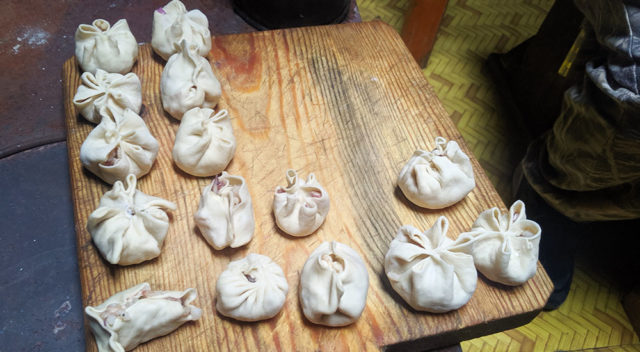
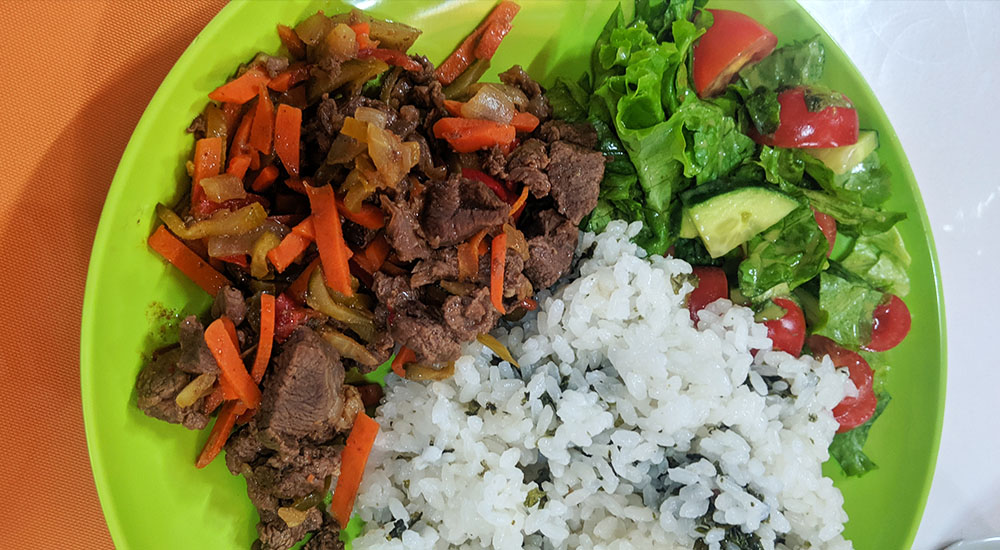
Stir Fried lamb dishes are prepared on an open-space grills right in front of you. This preparation originally derives from Japanese Teppanyaki and it is one of the many delicacies to try here. Mongolian dumplings are called buuz and they are a type of steamed dumpling filled with meat, whose origins come from China. They are very popular and each region has their own variations. They are eaten throughout the whole year, but especially during Tsagaan Sar celebrations – Lunar New Year.
Airag is a local brew that you won’t find in many parts of the world, therefore in Mongolia you have a great chance to try (if you dare)! It’s fermented horses milk with quite a high alcohol content. The drink is very popular among people of the Central Asian steppes. In Mongolia, the mare milking season runs between June to October.

Ride a camel in Gobi desert
Gobi desert is a vast region in southern Mongolia and northern China, famous for its dunes, mountains, unique environment and some rare animals such as snow leopard or Bactrian camels. Gobi means “waterless place” in Mongolian and it is still pretty much unexplored and remote region.
The best way to travel through Gobi is from the camelback while enjoying the Mars-like landscapes. Our Social Cycles rides cherry pick the best parts of the desert to cross, be it by camel, bicycle or a good old fashioned Russian 4×4 van!


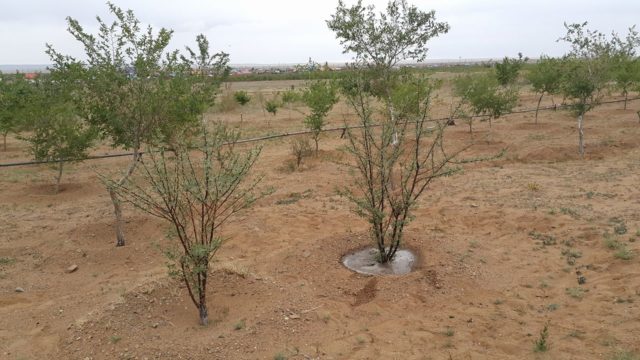
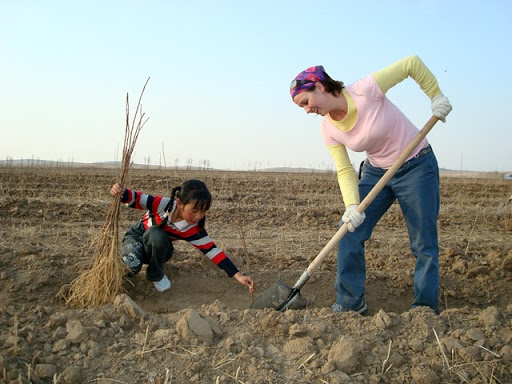
Plant a tree in the desert
Caused by uncontrolled tree cutting, global warming and forest fires, deforestation is a serious problem in Mongolia. In the 1990’s, forests covered over 10% of Mongolian surface, but today it is less than 7%.
Therefore there are many initiatives and volunteer programs with a focus on re-forestation of certain areas of Mongolia, especially near Ulaanbaatar and Buhug River. The main aim is to increase the green space of the country and reducing air pollution.
The Social Cycles tours connect with the good folk behind the Gobi Oasis Tree Planting Project.
The rock formation Baga Gazriin Chuluu
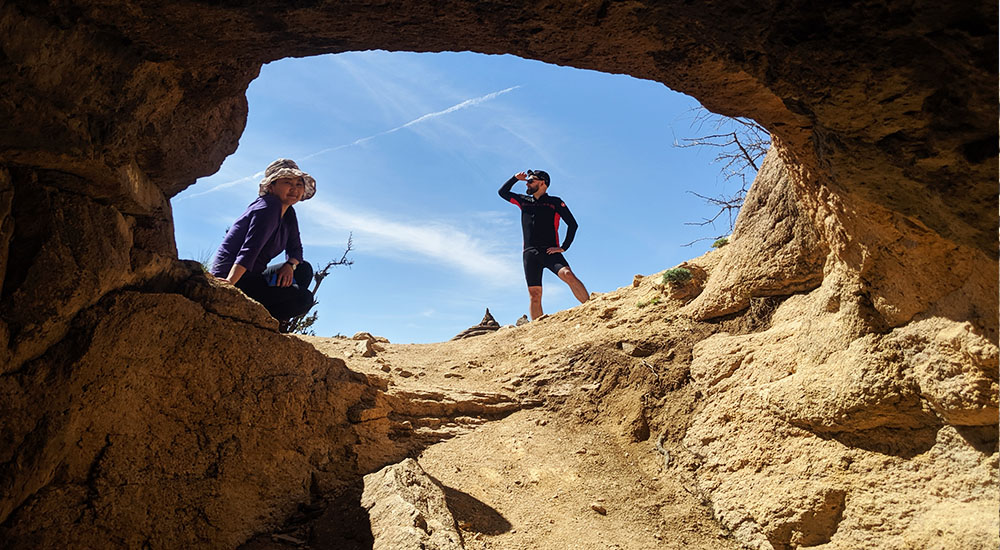
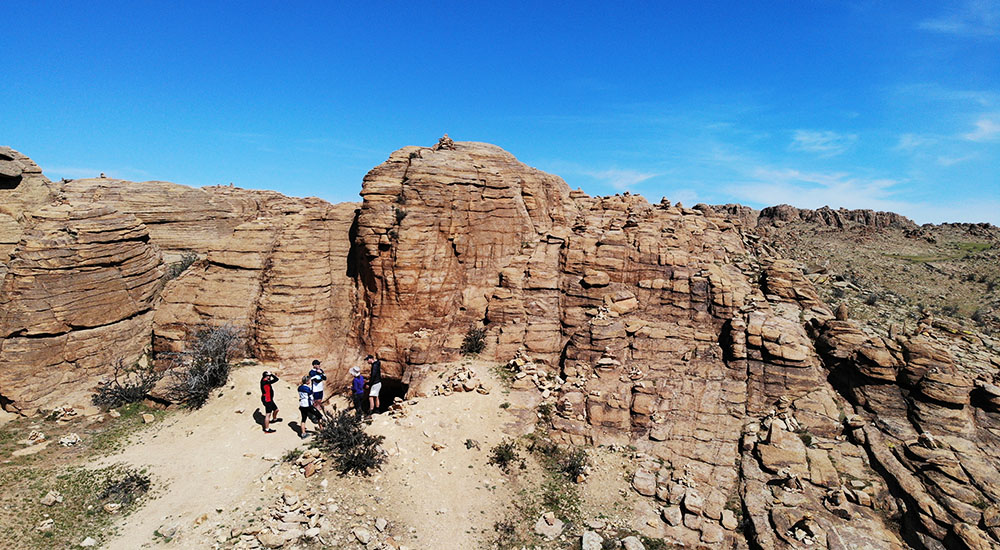
Baga Gazriin Chuluu means “stone of the little place” in Mongolian and it is an extensive granite rock formation south of Ulaanbaatar surrounded by semi-desert environment.
Besides the massive rocks (some of them are long up to 15 km and wide 10 km), there are many rare animals living in the area, for example mountain sheep or ibex, that you can spot, you can also visit ruins of Choir monastery, Bolort cave or other sightseeing.
Stay in a Ger and live like a local
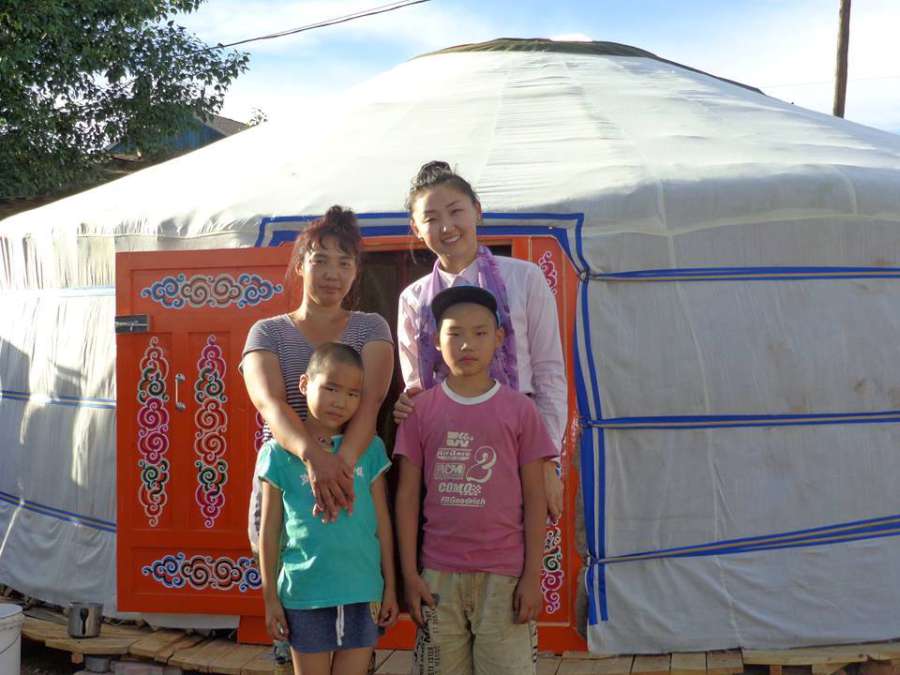
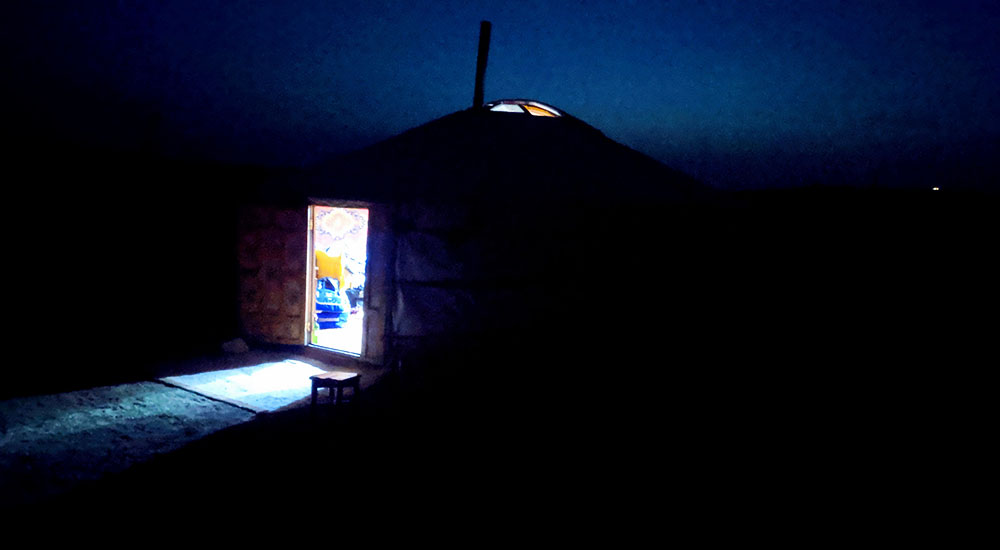
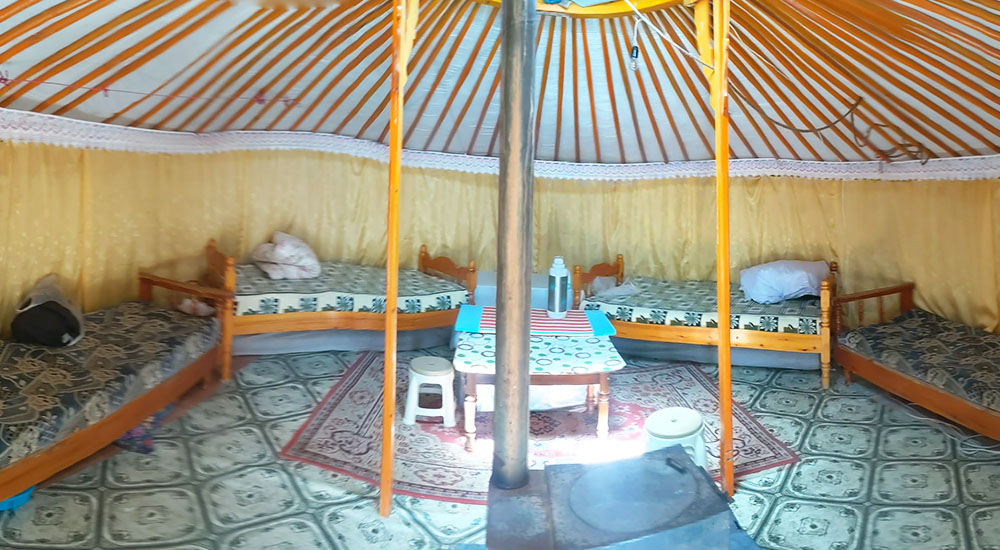
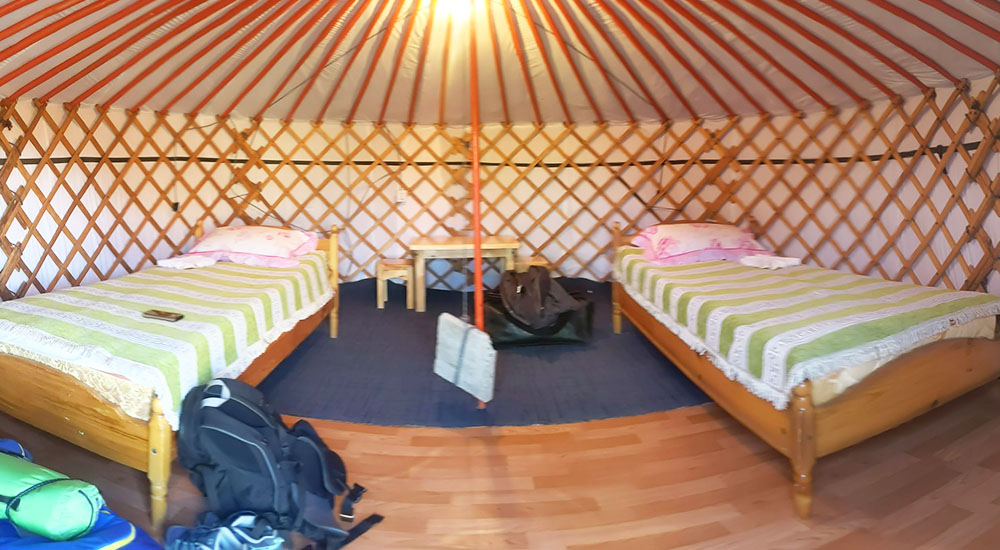
Gers, or yurts, are traditional Mongolian dwellings for people leading nomadic life in the country. You would be surprised how many people live like this today! Staying in a ger is an experience you don’t want to miss while in Mongolia. Many families gladly open their homes to travellers and you can get to know them better and their way of life.
Ger’s can sleep anywhere between two to six people, with single beds laid out around the internal perimeter of the ger. Bathroom facilities are always outside, whilst cooking (and heating) is conducted within.
Find out more about the sleeping arrangements in Mongolian Ger’s.

Horse riding with Mongolian nomadic family
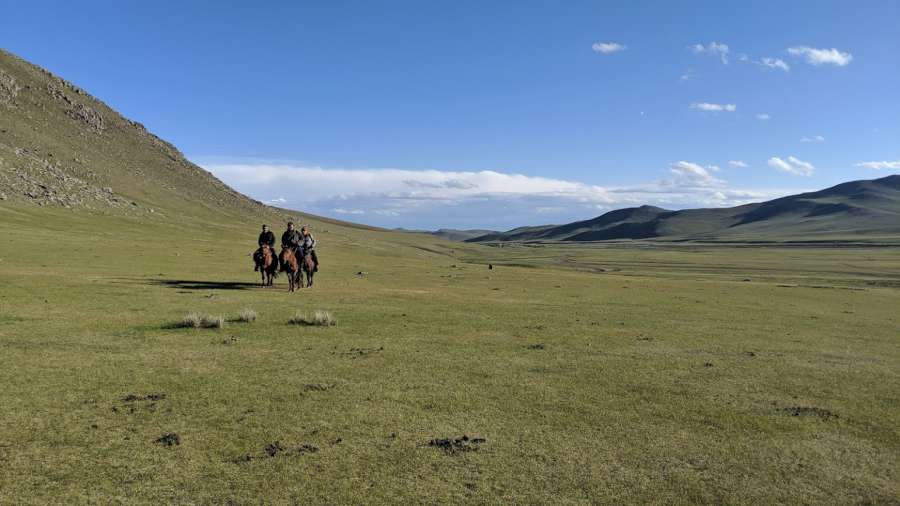
Mongolians are famous for theirs nomadic lifestyle and riding horses across their vast unoccupied countryside. Experiencing this freedom, the breath-taking Mongolian nature from the horse’s back and not meeting another soul (except of the people you are travelling with) is a real treat and once in a lifetime experience.